
Private varicose vein clinic London
Private varicose vein clinic London
Consultant-delivered assessment and treatment for aching, heavy or visibly enlarged leg veins at London Bridge Healthcare, a short walk from London Bridge station.
Consultant vascular assessment
A £300 consultation and duplex scan with the vascular scientist helps plan whether RFA, EVLA, foam sclerotherapy or phlebectomy may be suitable.
Central London clinic
1A Newcomen Street, near London Bridge station.
Consultant-delivered care
Duplex ultrasound
Scan with a vascular scientist, included in the £300 assessment.
Clear next steps
Suitability, options and costs are explained after assessment.
Varicose vein overview
What are varicose veins?
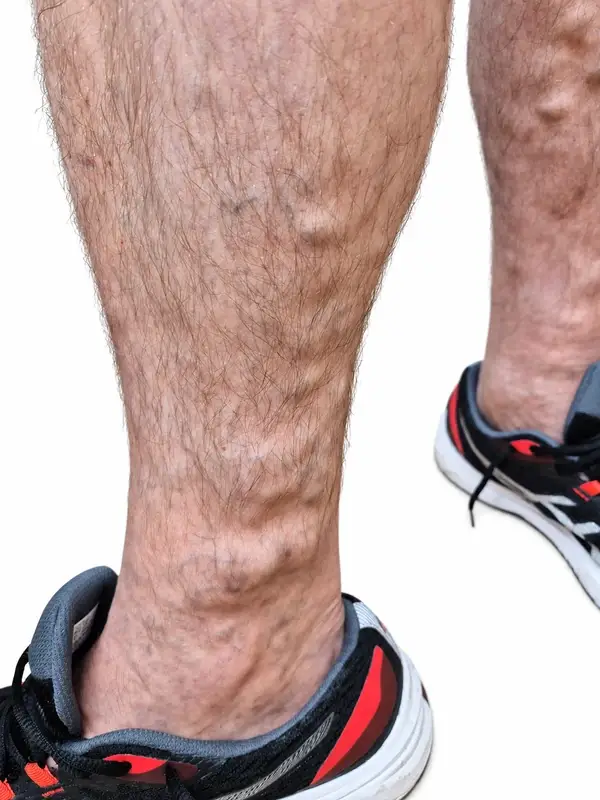
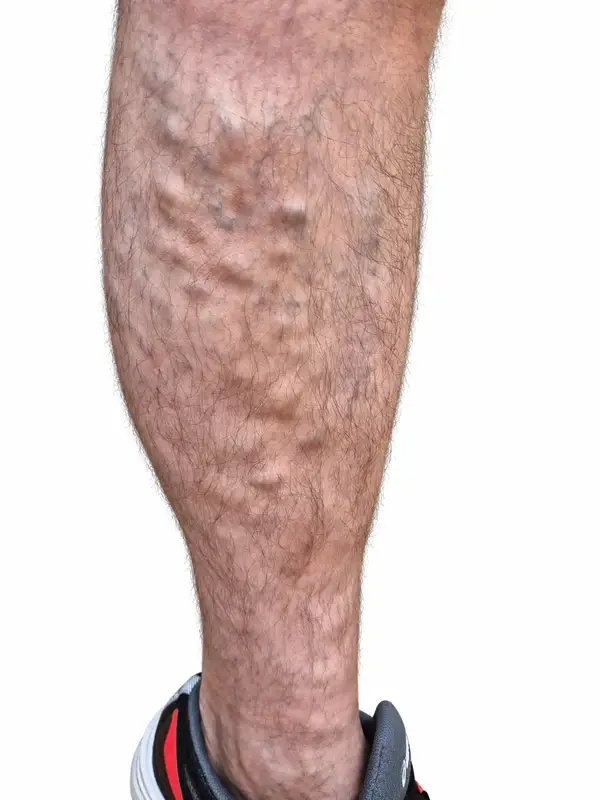
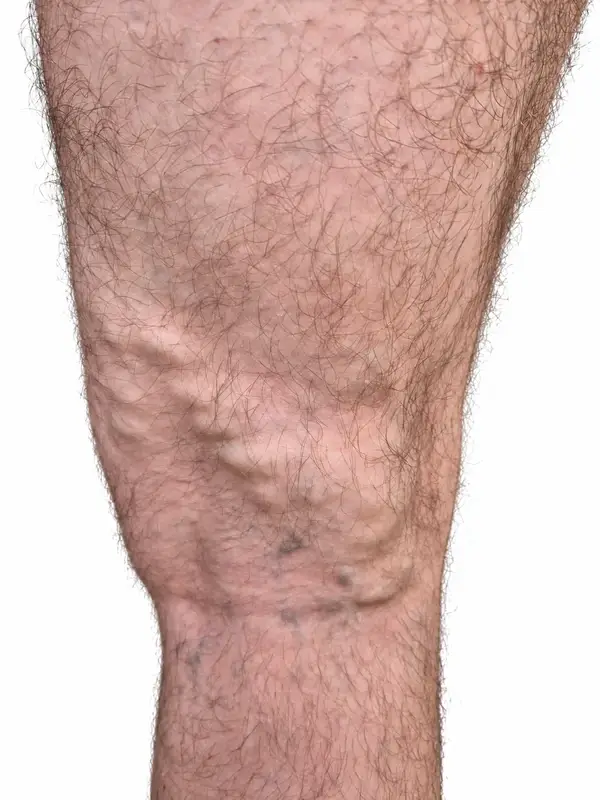
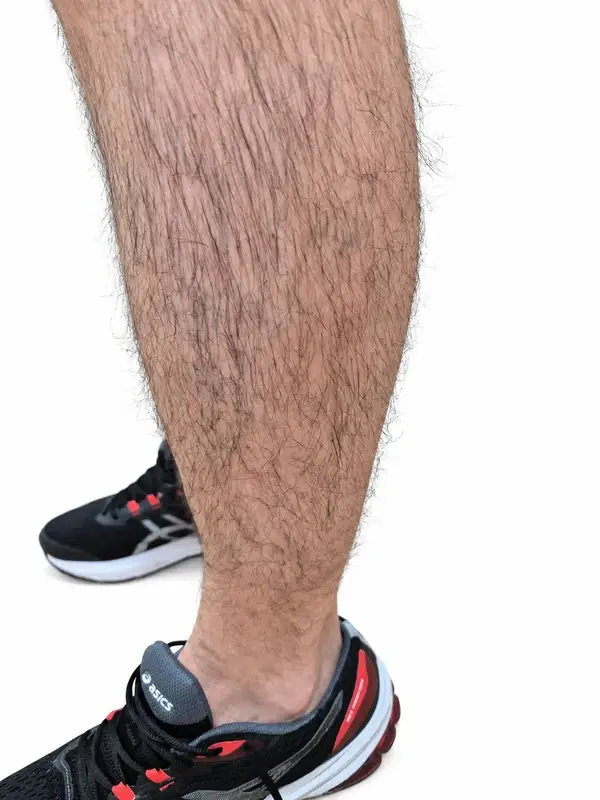
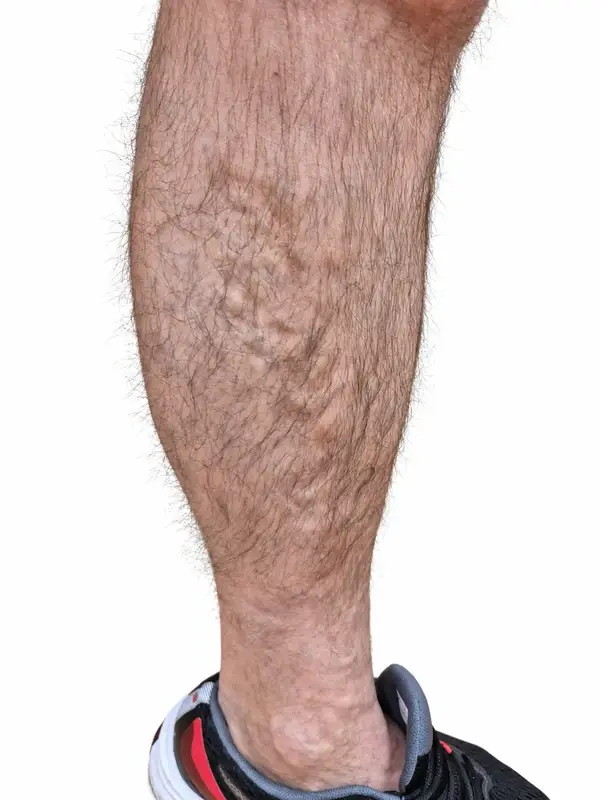
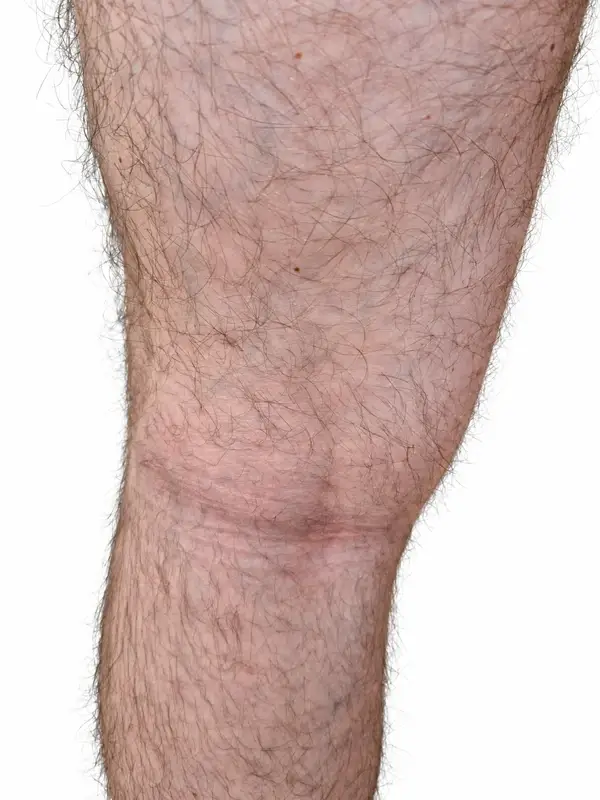
Varicose veins are enlarged, twisted veins, usually in the legs. They can develop when valves inside the veins weaken, allowing blood to pool. They do not always need treatment, but assessment can help if they cause symptoms or you are concerned about their appearance.
Why consultant assessment matters
Visible veins vary in size and cause. A Consultant-delivered review helps distinguish varicose veins from smaller thread veins, consider symptoms, and decide whether investigation is needed before any procedure is discussed.
Treatment is not suitable for every patient. Your clinician will explain whether a procedure is appropriate, what alternatives exist, and what recovery may involve for you.
Symptoms patients commonly mention
- Aching, throbbing or heaviness in the legs
- Swelling around the ankles
- Visible enlarged or twisted veins
- Discomfort after long periods of standing
- Itching or concern about skin changes over time
When to seek urgent medical advice. Seek urgent assessment if a varicose vein is bleeding, or if you develop sudden significant leg swelling, severe pain, redness or warmth. If you are concerned, contact an appropriate healthcare professional promptly. NHS information about varicose veins
Consultant-delivered assessment and duplex ultrasound
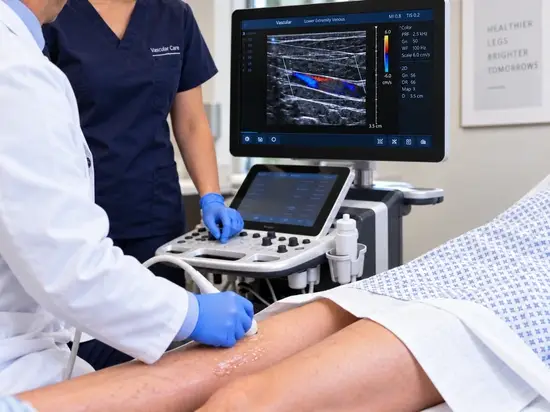
Your £300 consultation and scan includes assessment with the vascular consultant and a duplex ultrasound scan with the vascular scientist. Duplex ultrasound helps assess blood flow, identify whether venous reflux is present, and inform treatment planning.
At your appointment, explain what bothers you most and how it affects daily activities. Your clinician can then discuss whether treatment may be appropriate and which option, if any, fits your findings.
Available treatment options
Varicose vein treatments offered at the clinic
The treatments below are those described on this service. Suitability depends on consultation, clinical assessment and appropriate investigations. A combination of treatments may be considered for some patients.
Radiofrequency ablation (RFA)
A minimally invasive option that uses radiofrequency energy to close a suitable vein. The procedure is performed under local anaesthetic, allowing blood to reroute through healthier vessels. Suitability is confirmed after assessment.
Endovenous laser ablation (EVLA)
Ultrasound-guided laser treatment used to close a suitable vein. The procedure is performed under local anaesthetic and is usually carried out as an outpatient treatment. Suitability is confirmed after assessment.
Foam sclerotherapy
A foamed sclerosant is used to close selected veins. It may be considered when thermal ablation is unsuitable, or for selected branch or residual veins. More than one session may be needed.
Phlebectomies / avulsions
Removes more prominent varicose veins close to the skin through small incisions. Dressings, bruising and activity advice depend on the extent of treatment.
General information: NHS treatment overview and ACR/RSNA phlebectomy information.
Suitability
Which treatment might be discussed?
The most appropriate option depends on which veins are affected, whether venous reflux is present, your symptoms and your ultrasound findings. Your clinician will explain whether one approach, or a combination, may be appropriate.
RFA or EVLA
May be considered when assessment identifies a suitable vein for endovenous thermal treatment.
Foam sclerotherapy
May be considered for selected veins, including some additional or residual veins after assessment.
Phlebectomy
May be considered for prominent surface varicose veins close to the skin.
Thread veins
Smaller red, blue or purple surface veins need their own assessment. They are not the same as varicose veins.
Treatment comparison
How the clinic options differ
This is a guide only. Your quotation and plan follow assessment. Not every treatment listed will be suitable for every patient.
| Treatment | What it involves | When it may be considered | What to ask about |
|---|---|---|---|
| Radiofrequency ablation (RFA) | Heat from radiofrequency energy is used to close a vein. | When assessment identifies a suitable vein for endovenous treatment. | Discomfort, activity, work arrangements and aftercare. |
| Endovenous laser ablation (EVLA) | Laser energy is used within the vein, usually under ultrasound guidance. | When the vein and scan findings are suitable for laser treatment. | Expected recovery, local anaesthetic and follow-up. |
| Foam sclerotherapy | A foam solution is injected to close selected veins. | When thermal ablation is unsuitable, or for selected additional veins. | Whether further sessions may be needed. |
| Phlebectomy / avulsions | Surface varicose veins are removed through small skin openings. | When prominent veins close to the skin may benefit from this approach. | Dressings, bruising and activity advice. |
What to expect
Before, during and after treatment
If treatment is recommended, your clinician will explain preparation, the procedure and aftercare. Recovery varies with the procedure and the individual.
Before
Book an assessment. Discuss symptoms, have a duplex scan where appropriate, and review options, benefits, alternatives, risks and costs.
During
RFA and EVLA are usually performed with local anaesthetic as outpatient procedures where suitable. Ask what to expect on the day.
After
Temporary bruising, tenderness, swelling or tightness can occur. Compression stockings may be recommended depending on your plan.
Benefits, limitations and recovery
What to consider before deciding
Minimally invasive options may involve smaller entry points than traditional stripping for suitable patients. Results and recovery are not the same for everyone.
Possible temporary effects
Discomfort, bruising, tightness, inflammation or skin discolouration can occur after vein treatment.
Less common risks
Depending on the procedure, these can include infection, altered sensation, allergic reactions or deep vein thrombosis. Your consultant will explain risks relevant to you.
Recurrence
Some patients need more than one session. New or recurrent varicose veins can develop. A successful procedure does not mean other veins will remain unaffected.
Before treatment, ask about walking, exercise, work, driving, travel, compression and who to contact if you are concerned afterwards. 02070425807
Consultant overview
Mr Sandip Sarkar
Consultant Vascular Surgeon – FRCS; MA (Cantab); PhD
Mr Sarkar qualified in preclinical medicine at St Catharine’s College, Cambridge and trained clinically at Guy’s & St Thomas’. He obtained a PhD in Vascular Surgery at University College London. He is a Consultant Vascular Surgeon at the Royal London Hospital and Clinical Lead for Vascular Surgery at Barts Health NHS Trust.
In his NHS practice he has experience of radiofrequency ablation (RFA), endovenous laser treatment (EVLT), foam sclerotherapy and cyanoacrylate glue. Treatments offered at London Bridge Healthcare are those listed on this page – RFA, EVLA, foam sclerotherapy and phlebectomy – and are confirmed after assessment. Glue is not listed as a treatment offered at this clinic.
Kate Crawford
Accredited Vascular Scientist – AVS / FCVS, MSc
Kate has experience across a wide range of vascular ultrasound assessments, including upper and lower limb arterial and venous duplex scanning. She trained at King’s College Hospital, completed an MSc in Medical Ultrasound with merit and gained professional accreditation in 2007.
She later became Lead Clinical Vascular Scientist at Barts Health NHS Trust. At London Bridge Healthcare she provides the duplex scan included in the varicose vein consultation and scan appointment.
Why choose London Bridge Healthcare?
Private vascular assessment in Central London
Designed around the questions patients ask before booking: who will assess me, what imaging is included, and what happens next.
Consultant-delivered assessment
Discuss your symptoms and concerns with a vascular consultant before any procedure is planned.
Duplex included
A scan with the vascular scientist is included in the £300 consultation and scan.
Personalised plan
Options, limitations and recovery guidance are explained according to your findings.
Patient experience
A patient’s consultation experience
I recently attended a private consultation for varicose veins, and I couldn’t be happier with the experience. From the moment I arrived, the staff were welcoming and professional. The doctor took the time to explain my condition clearly, answered all my questions, and discussed the treatment options in detail. He made me feel very relaxed and comfortable throughout the consultation. I felt reassured and confident about the next steps. The clinic was spotless, and the appointment ran on time, which I really appreciated. Highly recommend for anyone considering treatment for varicose veins!
Patient Testimonial, November 2025.
Pricing
Varicose vein treatment costs in London
The initial £300 consultation and scan includes assessment with the vascular consultant and a scan with the vascular scientist. Selected procedures start from £600. Packages covering consultation, scan, procedure and follow-up start from £2,900 for one leg. These are different services; your final quotation follows assessment.
| Service | Price |
|---|---|
| Consultation and scan | £300 |
| Consultation, scan, procedure and follow-up - unilateral (one leg) | From £2,900 |
| Consultation, scan, procedure and follow-up - bilateral (both legs) | From £3,700 |
| Avulsions - unilateral (one leg) | From £600 per session |
| Avulsions - bilateral (both legs) | From £1,000 |
| Foam sclerotherapy primary - unilateral (one leg) | From £600 |
| Foam sclerotherapy - bilateral (both legs) | From £800 |
No cash payments accepted. Ask the clinic to confirm the exact procedure and services included in your quotation. View payment options
Frequently asked questions
Varicose vein treatment FAQs
What is the best treatment for varicose veins?
For many patients with truncal reflux, endovenous thermal ablation such as radiofrequency ablation (RFA) or endovenous laser ablation (EVLA) is commonly discussed. The most suitable option depends on ultrasound findings and clinical assessment. Not every treatment is suitable for every patient.
Do I need an ultrasound scan?
Duplex ultrasound helps assess blood flow and plan treatment. At London Bridge Healthcare, a scan with the vascular scientist is included in the £300 consultation and scan appointment.
Is varicose vein treatment painful?
Most modern treatments are performed under local anaesthetic. Patients usually describe mild discomfort rather than severe pain, with temporary tightness or bruising possible during recovery.
How long does radiofrequency ablation take?
RFA is typically completed in under an hour as a walk-in, walk-out outpatient procedure for suitable patients. Your clinician will confirm what to expect for your plan.
How quickly can I return to normal activities?
Many patients resume light daily activities within one to two days, depending on the procedure performed and the physical demands of their work. Ask for advice before booking treatment.
How much does private varicose vein treatment cost in London?
At London Bridge Healthcare, consultation and scan is £300. Selected procedures start from £600, with unilateral consultation-scan-procedure-follow-up packages from £2,900. Exact pricing depends on assessment.
Can I get varicose vein treatment near London Bridge?
Yes. London Bridge Healthcare is at 1A Newcomen Street, London SE1 1YR, a short walk from London Bridge station.
Can varicose veins come back?
Yes. New or recurrent varicose veins can develop after treatment, and some patients need more than one session. Discuss the likely longer-term outlook at your consultation.
What is the difference between varicose veins and spider veins?
Varicose veins are larger, raised and often symptomatic. Spider or thread veins are smaller surface veins. If your concern is mainly fine red, blue or purple veins, visit our Spider & Thread Vein Treatment page.
Do I need a GP referral for private treatment?
Private self-referral is supported. You can request a callback or book directly with the clinic team on 020 7042 5807. If you plan to use medical insurance, check your insurer’s authorisation requirements.
Also concerned about thread veins?
If you are mainly concerned about small visible red, blue or purple veins, we also provide assessment and treatment for thread veins using sclerotherapy where appropriate.
Book initial consultation: Mr Sarkar
Use the clinic booking diary below to request an appointment. Availability and confirmation are managed through the clinic’s booking system.
If the diary does not load here, use the online booking page or call 020 7042 5807.
Take the next step
Book a vascular consultation in London Bridge
Whether your concern is discomfort, appearance or understanding your options, contact the clinic to arrange an assessment.